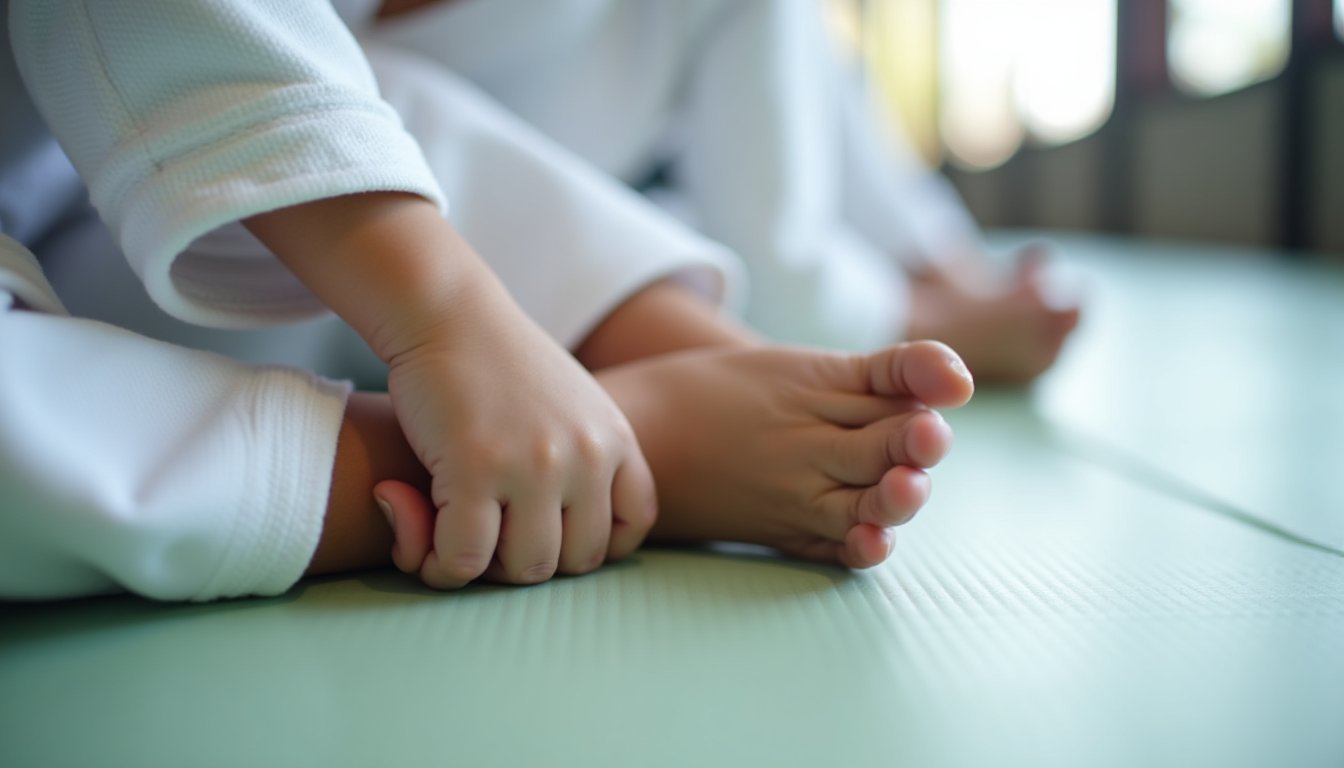
Your first BJJ class what to expect question deserves a straight answer: you'll arrive early, meet the instructor, learn academy rules, warm up with basic movements, practice fundamental techniques in pairs, and finish with a cool-down and questions. Most first classes focus on safety, simple movements, and making you comfortable rather than throwing you into sparring. You'll spend about sixty to ninety minutes learning how your body moves on the ground in ways it never has before.
This guide serves anyone who's signed up for a trial class or is about to, whether you're in your twenties looking for a new challenge or picking up martial arts later in life. The sooner you know what actually happens, the less mental energy you waste on worry and the more you can focus on showing up ready to learn.
What a first Brazilian Jiu-Jitsu class actually involves
A typical first class starts with introductions and paperwork. You'll fill out a waiver, meet the instructor, and get a quick tour of the mat space, changing rooms, and where to leave your shoes. Most Boca Raton academies ask you to arrive ten to fifteen minutes early for this process.
Once class starts, expect a warm-up that feels unfamiliar. Shrimping, bridging, and hip escapes sound odd until you see them. These drills teach your body how to move efficiently while someone's on top of you or while you're on your back. Nobody expects you to master them on day one.
After the warm-up, the instructor demonstrates a technique. You'll pair up with someone, often another beginner or a helpful higher belt, and take turns practicing the move slowly. In practice, what usually works best is watching carefully, asking questions when confused, and repeating the movement even when it feels awkward.
Why your first bjj class what to expect matters more than you think
Your first session sets the tone for everything that follows. Show up with the right mindset and you'll leave wanting more. Show up distracted or trying to win imaginary competitions against training partners, and you'll miss the point entirely.
Brazilian Jiu-Jitsu rewards patience and consistent practice over bursts of intensity. Your first class teaches you whether the academy's culture fits your personality and schedule. You'll notice how instructors treat beginners, whether advanced students help or ignore newcomers, and if the space feels welcoming or intimidating.
Skipping a trial class or walking in unprepared costs you momentum. The gap between thinking about training and actually training shrinks the moment you step on the mat. That first class turns intention into action, and action builds the habit you need to improve over months and years.
Who shows up to a first BJJ class and who teaches it
You'll meet people from every background. Expect office workers, students, parents, and professionals who all share curiosity about grappling. Some come for fitness, others for self-defense, and many simply want to learn a skill that challenges them mentally and physically.
The instructor leading your first class typically holds at least a purple belt, though many Boca Raton academies assign higher belts or black belts to beginner sessions. They've taught hundreds of first-timers and know exactly how lost you feel. Their job involves making the unfamiliar feel manageable, not impressing you with complicated techniques.
Training partners in your first class range from brand-new white belts to experienced practitioners. Higher belts often volunteer to work with beginners because teaching reinforces their own understanding. You're not bothering anyone by asking for help or moving slowly through a technique.
Where your first class takes place and what the space looks like
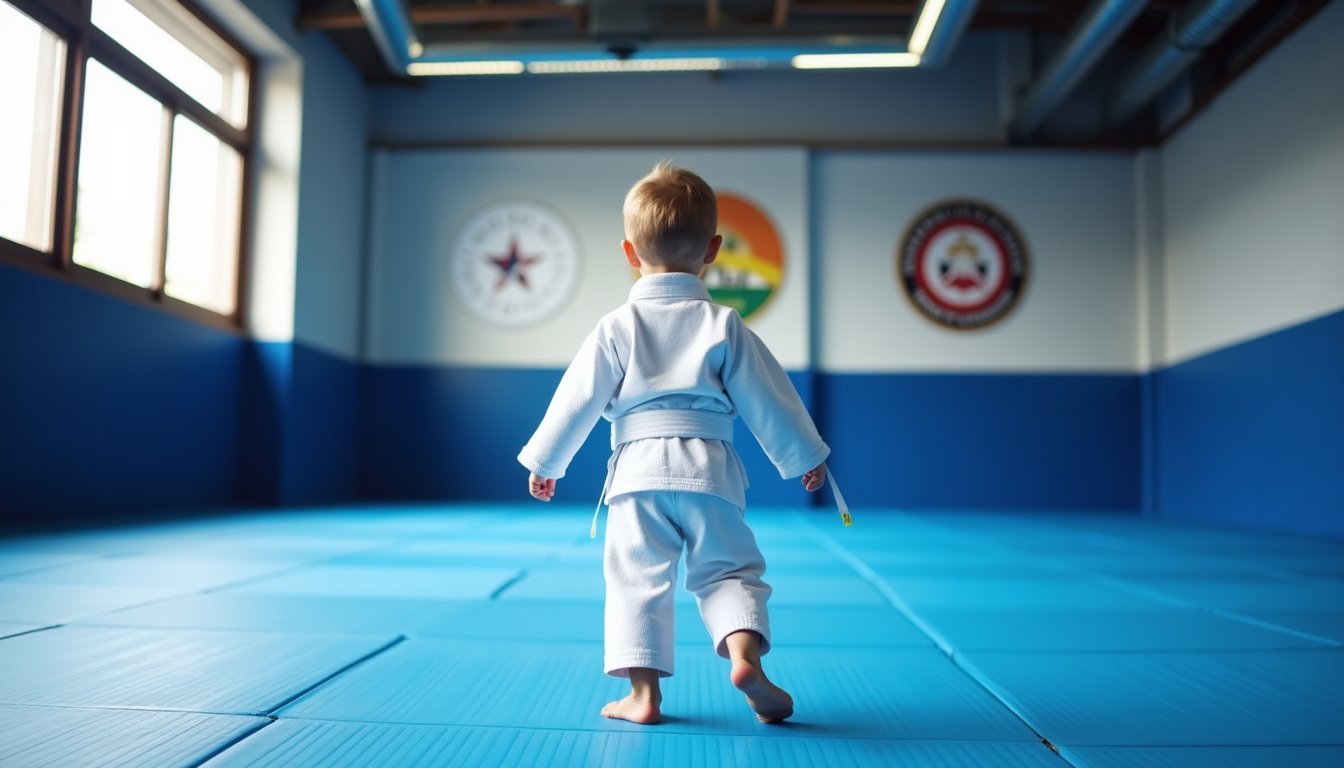
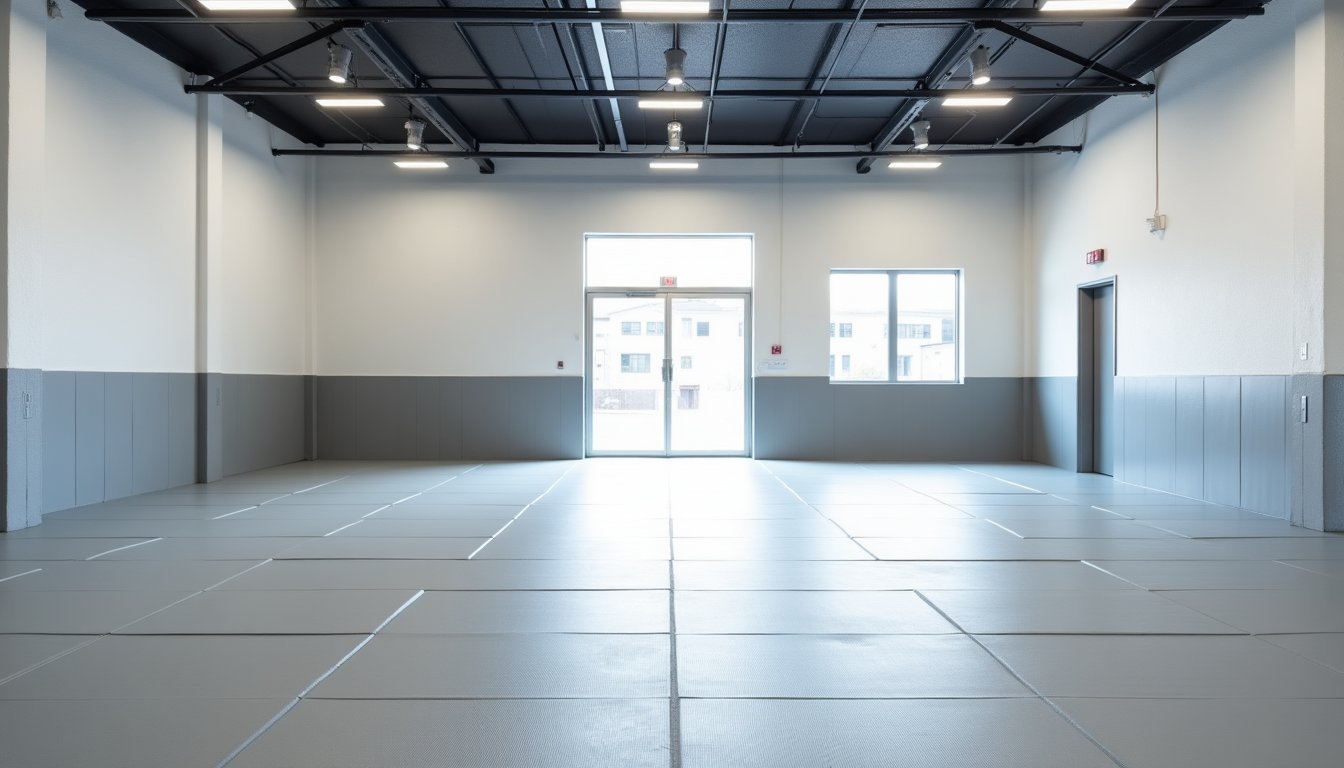
Most Brazilian Jiu-Jitsu academies in Boca Raton feature a large matted area, usually covered in tatami or puzzle mats. The surface provides cushioning for falls and takedowns while offering enough grip for your feet and knees during movement.
You'll find changing rooms, bathrooms, and a small lobby or waiting area. Some academies include a pro shop selling gis, rash guards, and other gear, but you don't need to buy anything on your first visit. The mat space itself stays clean and climate-controlled, though expect it to feel warm once you start moving.
Classes often run back-to-back, so you might see an advanced session wrapping up as you arrive. Watch for a minute if you're early. It gives you a sense of where the curriculum eventually leads, even though your first class won't look anything like that.
When to schedule your first class and how to know you're ready
Most Boca Raton academies offer beginner-friendly classes during morning, lunch, and evening hours. Evening slots around six or seven often draw the largest crowds, which can help you blend in if you're nervous about standing out.
You're ready for your first class the moment you decide to try it. There's no minimum fitness level, no required flexibility, and no prerequisite knowledge. Imagine someone who hasn't exercised in years walking in and learning the same techniques as a former wrestler. Both start at white belt, both learn the same curriculum, and both improve at their own pace.
Schedule your first class when you can arrive rested and without a tight deadline afterward. Avoid booking it right before an important meeting or social event. You'll leave sweaty, tired, and mentally stimulated, which makes it hard to focus on anything else immediately after.
How your first BJJ class unfolds step by step
What to bring and wear to your first session
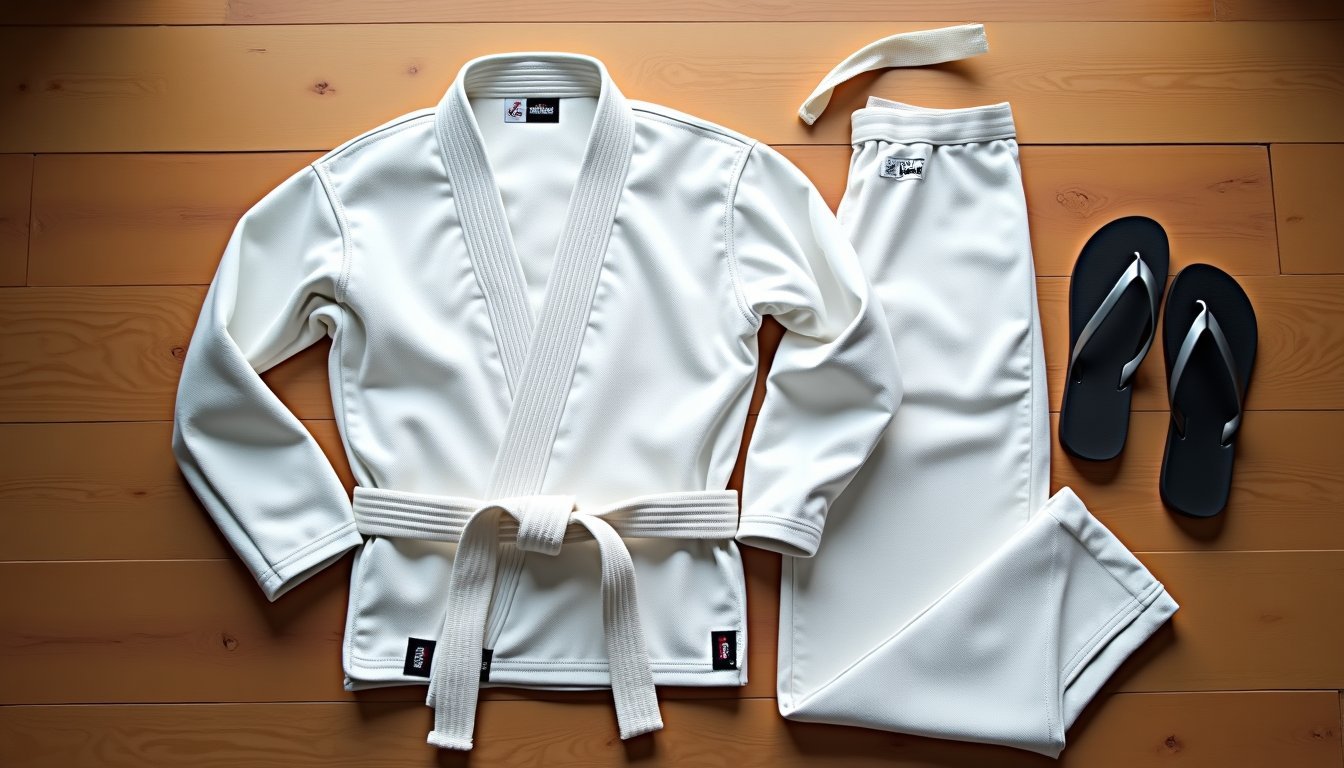
You don't need a gi for your first class. Most academies welcome beginners in a fitted t-shirt and athletic shorts or leggings. Avoid clothes with pockets, zippers, or metal that can catch fingers or scratch training partners. Leave shoes off the mat, but bring flip-flops or sandals for walking around the academy.
Bring a water bottle, a small towel, and any medications you might need. Some people bring a notebook to jot down technique notes after class, though most rely on repetition and memory. If you wear contacts, consider switching to glasses before training or bringing rewetting drops.
Trim your nails short, tie back long hair, and shower before class if possible. Personal hygiene matters in close-contact sports. Nobody will say anything if you forget once, but making it a habit earns respect and keeps training partners happy to work with you.
First class expectations versus reality
How much your first class costs in time and money
Trial classes in Boca Raton vary by academy. Some offer a free first session, others charge between twenty and forty dollars for a single class, and many bundle a week of unlimited classes for a flat introductory rate. Contact the academy directly to confirm their current trial offer rather than relying on outdated information.
Time commitment for your first class runs about ninety minutes total, including arrival, the session itself, and cleanup. Factor in travel time if you're coming from work or home. Plan for at least two hours away from other obligations to avoid rushing.
Beyond the trial, monthly memberships typically require a financial commitment, but that's a decision for after you've tried a few classes and know you want to continue. Your first class exists to help you evaluate whether Brazilian Jiu-Jitsu fits your goals and lifestyle without pressure to sign up immediately.
Common concerns people have before their first class
Worrying about looking foolish tops the list. Everyone on the mat looked just as lost during their first class, and experienced practitioners remember that feeling clearly. Nobody judges you for being new because they've been exactly where you are.
Concerns about size and strength come up often. Brazilian Jiu-Jitsu works precisely because technique beats strength when both people know what they're doing. In your first class, you'll work with partners who control their movements and help you learn rather than trying to overpower you.
Some people worry about claustrophobia or discomfort with close contact. Valid concern, and worth mentioning to the instructor beforehand. They can pair you with someone who understands and can help you ease into positions gradually. Most people adapt within a few sessions as they realize the contact serves a technical purpose rather than feeling invasive.
What happens after your first class ends
You'll leave with sore muscles in places you didn't know existed. That's normal. Light soreness in your hips, core, and shoulders shows up a day or two later, especially if you haven't trained in similar movements before. Stretching and staying active helps more than sitting still.
Most academies follow up within a day or two to ask about your experience and explain membership options. No quality academy pressures you into signing up on the spot. They know people need time to consider whether the training fits their schedule and budget.
The next step involves deciding whether to continue. Book a second and third class while the momentum from your first session carries you forward. Sporadic training makes progress nearly impossible, while showing up twice a week for a month gives you enough exposure to see real improvement and decide if you want to commit long-term.
Frequently asked questions
Can I take my first BJJ class if I'm out of shape?
Yes, you can start at any fitness level. Instructors scale intensity to match your current ability, and you control your own pace during drills. Many people use Brazilian Jiu-Jitsu as the motivation to get in shape rather than waiting until they feel ready.
Will I spar or roll during my first class?
Most academies skip live sparring during your first class and focus on drilling techniques with cooperative partners. If rolling does happen, it's usually light and controlled, with experienced students helping you practice positions safely. Always tell your partner it's your first day.
What if I don't own a gi yet?
Many Boca Raton academies provide a loaner gi for your trial class, or they allow you to train in regular workout clothes for your first few sessions. Ask when you schedule your class so you know what to wear. You can purchase a gi later once you decide to continue training.
How early should I arrive for my first class?
Arrive fifteen minutes before the scheduled start time. This gives you enough time to complete paperwork, change clothes, meet the instructor, and settle in without feeling rushed. Showing up exactly on time leaves no buffer for unexpected questions or academy orientation.