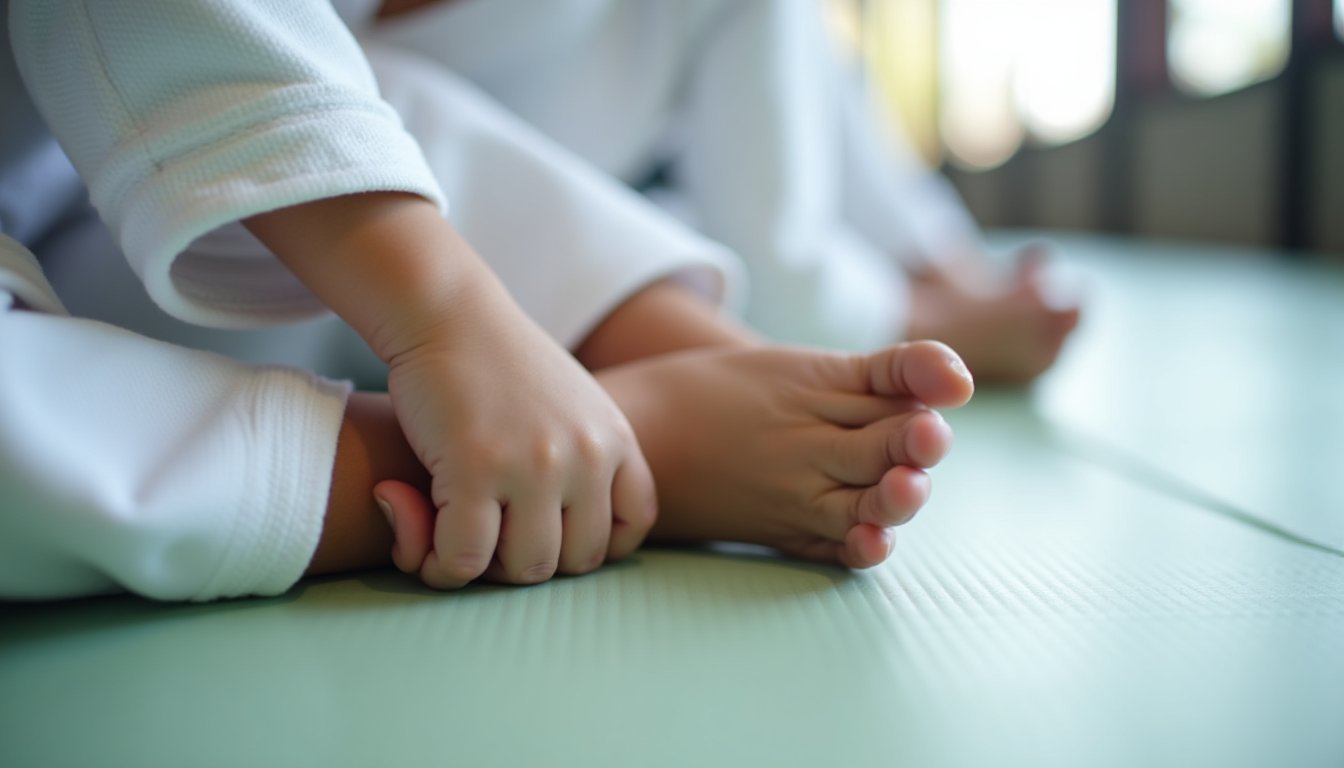
Is BJJ safe for kids? Yes, Brazilian Jiu-Jitsu is generally safe for children when taught by qualified instructors using age-appropriate techniques and proper supervision. Most academies accept kids starting around age 4 to 6, with programs designed to emphasize control, respect, and gradual skill development rather than competition or aggression.
This matters if you're weighing martial arts options for your child. Safety concerns are natural, but understanding how BJJ classes are structured—and what precautions reputable schools take—helps you make an informed choice about your child's physical activity and personal development.
What is Brazilian Jiu-Jitsu for kids?
Brazilian Jiu-Jitsu for children is a modified version of the adult martial art, focused on grappling, positional control, and body awareness. Kids learn to defend themselves using leverage and technique instead of strength or striking.
Classes typically start with warm-ups—think movement games that build coordination—followed by drills that teach basic positions like guard, mount, and side control. The environment emphasizes play and learning over intensity.
Instructors break down techniques into small, manageable steps. A 5-year-old might spend weeks just learning how to maintain a stable base before moving on to simple escapes. Sparring, when it happens, is closely supervised and age-appropriate.
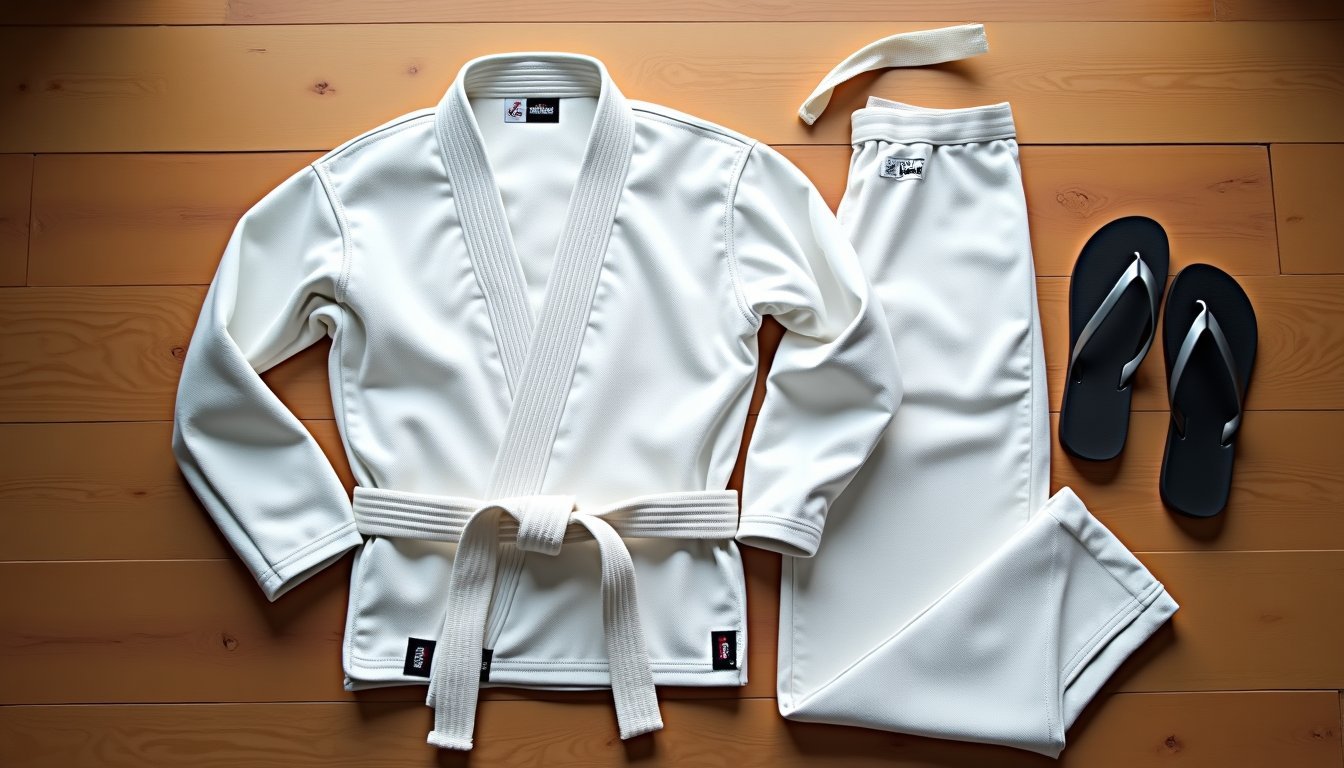
The gi uniform itself adds a layer of safety. It provides grip points that reduce the need for direct limb manipulation, and the fabric cushions minor bumps during practice.
Why BJJ matters for child development
Physical benefits are obvious—flexibility, coordination, and cardiovascular health—but the mental and emotional gains often surprise parents. Kids who train consistently develop self-discipline through repetition and routine.
They learn to handle frustration. Not every technique works on the first try, and sometimes a training partner is faster or more experienced. Working through that builds resilience you don't get from passive activities.
Confidence grows in a practical way. A child who knows how to escape a hold or maintain a position feels more capable in the world. That's different from empty praise; it comes from actual skill.
Socially, BJJ teaches respect and cooperation. You can't train alone, so kids learn to work with partners of different sizes and skill levels. They bow, shake hands, and follow academy rules—small rituals that reinforce mutual respect.
Who should consider BJJ for their children?
Brazilian Jiu-Jitsu works well for kids who need a physical outlet but may not thrive in traditional team sports. If your child struggles with the pressure of scoring goals or hitting balls, BJJ offers individual progress without the team performance stress.
It's also suitable for children who are naturally shy or anxious. The structured environment and one-on-one interaction with partners can feel safer than large group dynamics. Many parents notice their quieter kids open up after a few months of training.
That said, kids with certain medical conditions—severe asthma, joint disorders, or recent injuries—should get medical clearance first. A quick conversation with your pediatrician clears up any concerns.
Parents play a role too. You'll need to commit to a schedule and support practice at home when possible. Kids who progress fastest usually have families that value the training and show up consistently.
Where to find safe BJJ programs for kids
Look for academies with dedicated kids' classes, not children mixed into adult sessions. The curriculum, pacing, and supervision requirements are completely different.
Check instructor credentials. Legitimate schools have instructors with verifiable rank (usually purple belt or higher) and experience teaching children specifically. Don't hesitate to ask about background checks or safety certifications.
Visit during a kids' class. Watch how instructors manage the room. Do they keep the group engaged? Is there a clear ratio of adults to students? You want to see active supervision, not kids left unsupervised while sparring.
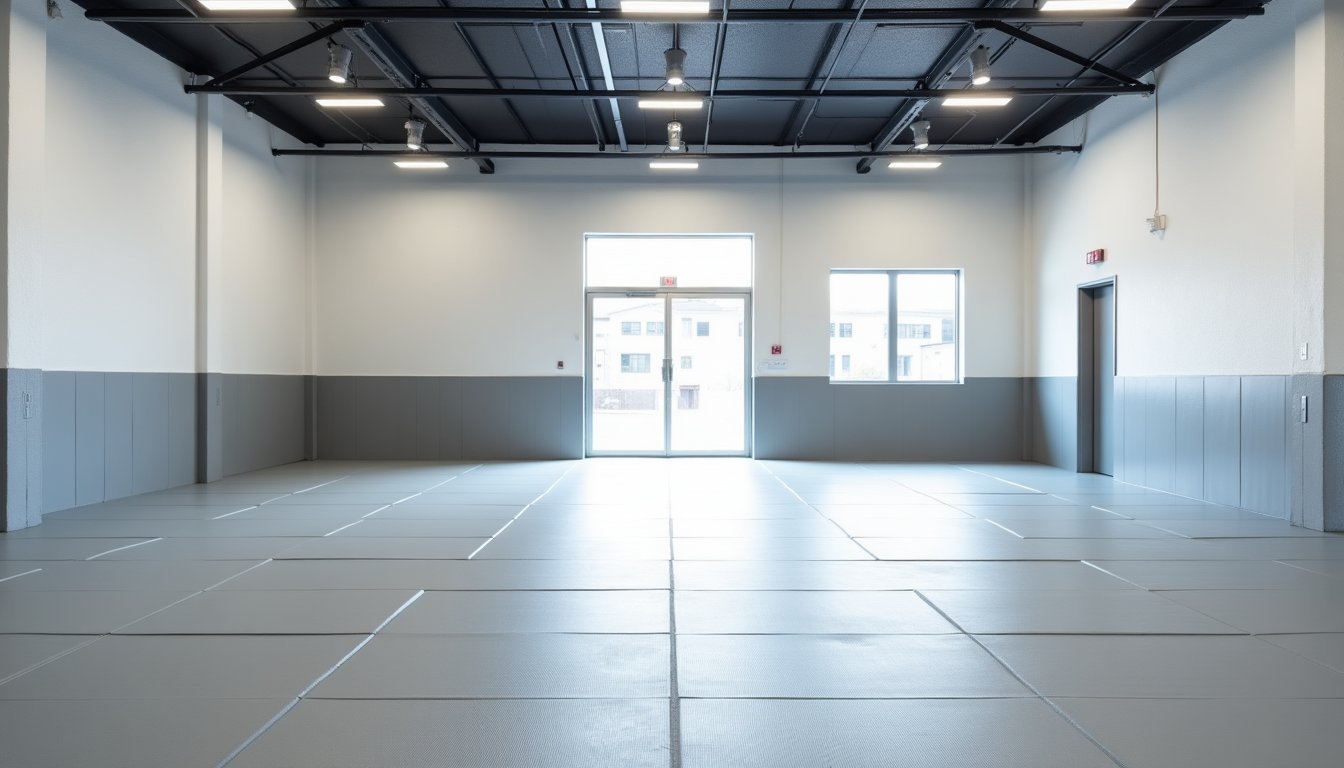
The facility itself matters. Mats should be clean, well-maintained, and appropriate thickness. There should be enough space for kids to move without colliding with walls or equipment.
Most reputable academies in Boca Raton and similar communities offer trial classes. Use that opportunity to assess whether the culture feels safe and supportive for your child.
When is the right age to start BJJ?
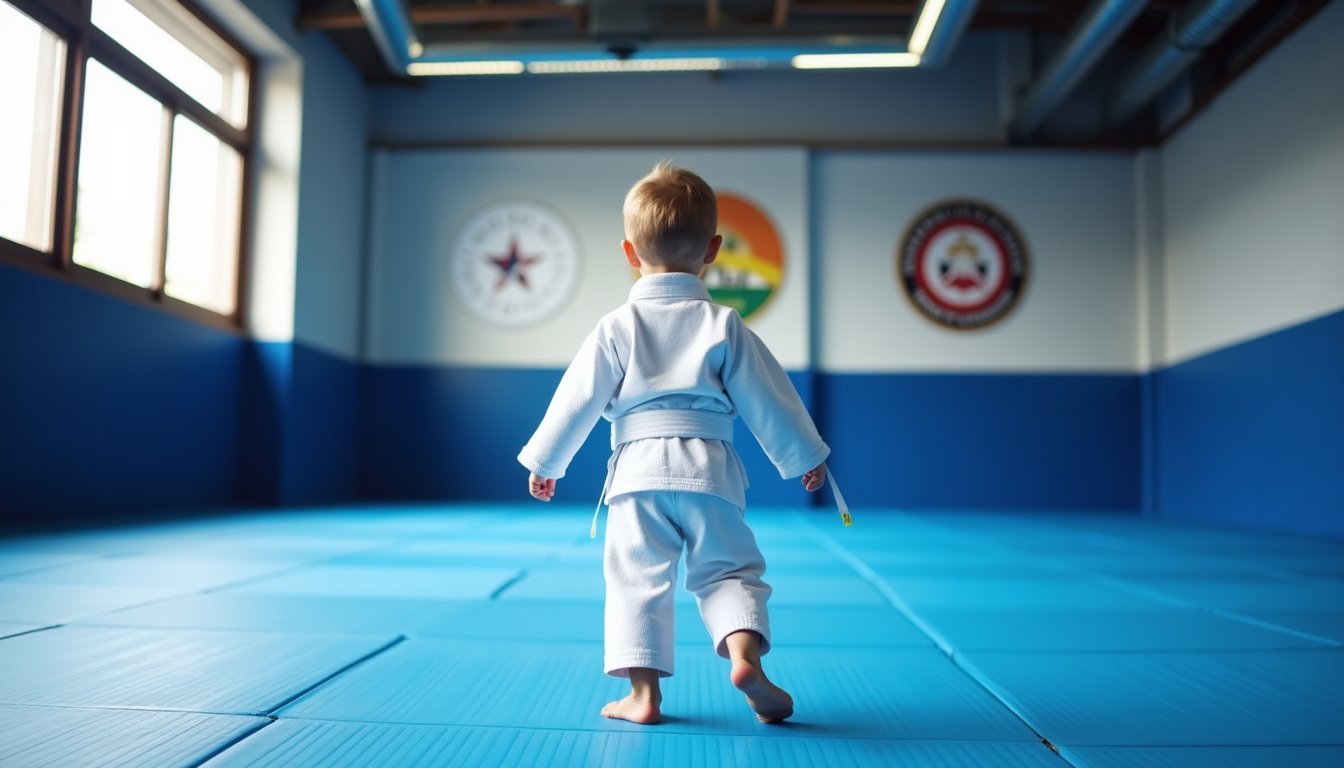
Most programs accept children starting at age 4 to 6, though some academies offer 'Little Champions' or similar programs for kids as young as 3. At that age, classes focus almost entirely on motor skills, listening, and basic movement patterns.
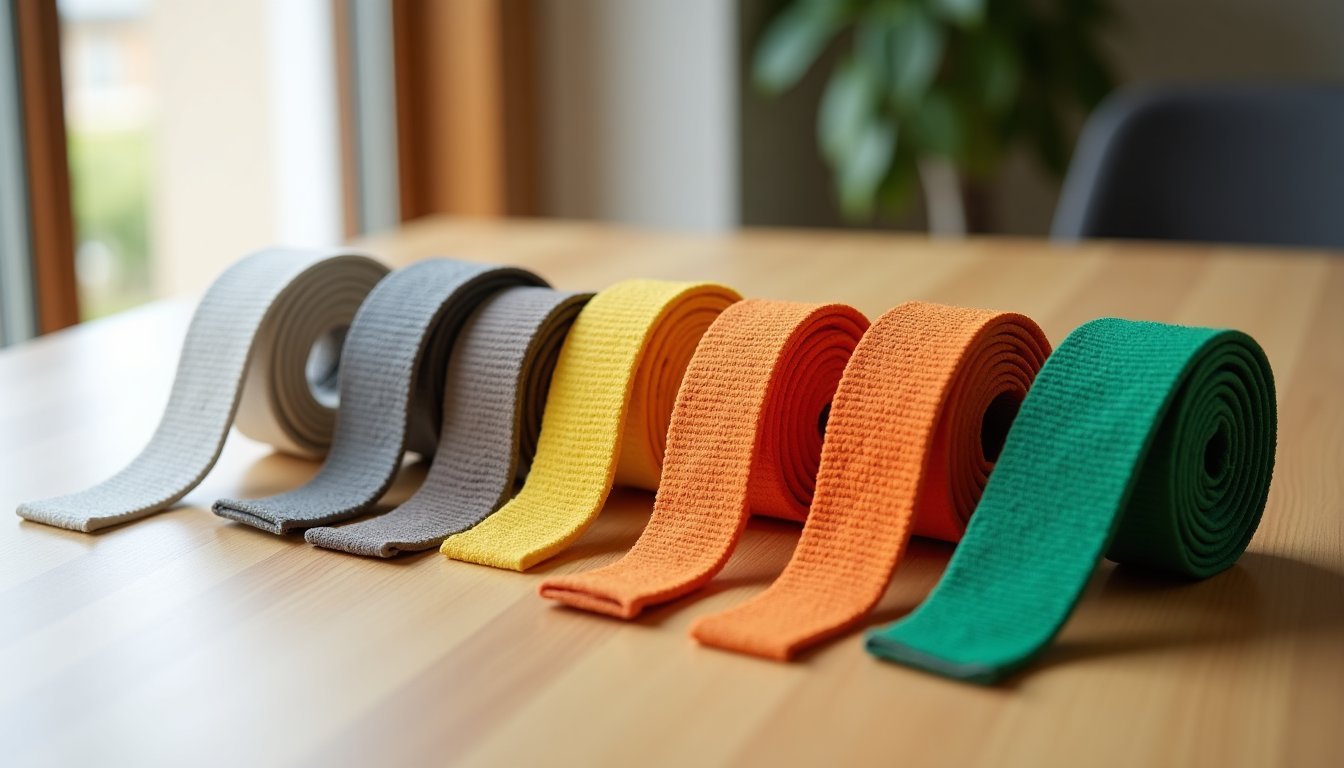
Around age 7 to 9, kids can handle more technical instruction. Their attention spans lengthen, and they begin to understand cause and effect in grappling exchanges. This is when many children start progressing through the colored belt system.
By age 10 and up, students can engage with more complex techniques and strategic thinking. They're ready for longer training sessions and can begin preparing for competition if they're interested.
There's no upper age limit for starting. Teenagers who begin BJJ often progress quickly because they have the physical and cognitive maturity to absorb instruction rapidly.
Watch for readiness signs: Can your child follow simple instructions? Do they have the physical coordination to walk a balance beam or hop on one foot? Can they interact with peers without constant adult intervention? If yes, they're probably ready.
How to ensure your child trains safely
Safety in BJJ comes from a combination of good instruction, proper environment, and consistent habits. Here's how to approach it step by step.
Injuries in kids' BJJ are rare and usually minor—mat burns, the occasional bumped head, or a sore muscle. Serious injuries are extremely uncommon when proper supervision and technique are in place.
Common safety measures in reputable kids' BJJ programs
Here's what you should expect to see at any academy serious about child safety.
Ask about these measures when you visit. If an academy can't clearly explain their approach to any of these points, keep looking.
Benefits of BJJ beyond physical safety
You want to know your child is safe, but you probably also want to know what they're gaining. BJJ delivers on several fronts.
These aren't abstract benefits. You'll see them in how your child carries themselves, handles conflict with siblings, or responds to setbacks at school.
How much does kids' BJJ cost and require?
Expect monthly tuition to range depending on location, class frequency, and academy reputation. In Boca Raton and similar areas, kids' programs typically fall within a moderate range for youth sports—comparable to soccer leagues or gymnastics classes.
Initial costs include a gi, which you can often purchase through the academy. Budget for one or two gis to start, so you have a backup while one is in the wash. As your child grows, you'll replace sizes periodically.
Time commitment varies by age. Younger kids (4 to 7) usually attend 30- to 45-minute classes two to three times per week. Older children might train for an hour per session, three to four times weekly if they're serious about progression.
Some academies charge extra for belt promotions or testing, while others include it in tuition. Clarify this upfront so there are no surprises.
The bigger investment is consistency. Kids who attend sporadically don't progress and often lose interest. If you can commit to regular attendance for at least six months, you'll see whether BJJ is a good fit for your family.
If you're ready to see whether BJJ works for your child, start with a trial class at a local academy. Watch how your kid responds to the instruction, the environment, and the other students. Most children either love it immediately or need a few sessions to warm up—but the ones who stick with it rarely regret it.
Frequently asked questions
Can kids get hurt doing Brazilian Jiu-Jitsu?
Minor bumps and mat burns happen occasionally, but serious injuries are rare in well-supervised kids' programs. Proper technique, controlled sparring, and safety rules minimize risk significantly. Teaching children to tap early and respect training partners further reduces the chance of injury.
What age is too young for BJJ?
Most academies don't accept children under 3 or 4 because they lack the attention span and motor skills for structured instruction. If your child can follow simple directions and play cooperatively with peers, they're likely old enough to try an introductory class.
Do kids need to compete in BJJ tournaments?
No, competition is entirely optional. Many children train for years without ever entering a tournament and still gain all the physical and mental benefits. If your child expresses interest, competitions can be a fun way to test skills, but they're never required for progression or enjoyment.
How do I know if a BJJ school is safe for my child?
Visit during a kids' class and observe the instructor-to-student ratio, mat cleanliness, and how techniques are taught. Ask about instructor credentials, safety protocols, and how they handle sparring. A reputable school will welcome your questions and provide clear, confident answers about their approach to child safety.