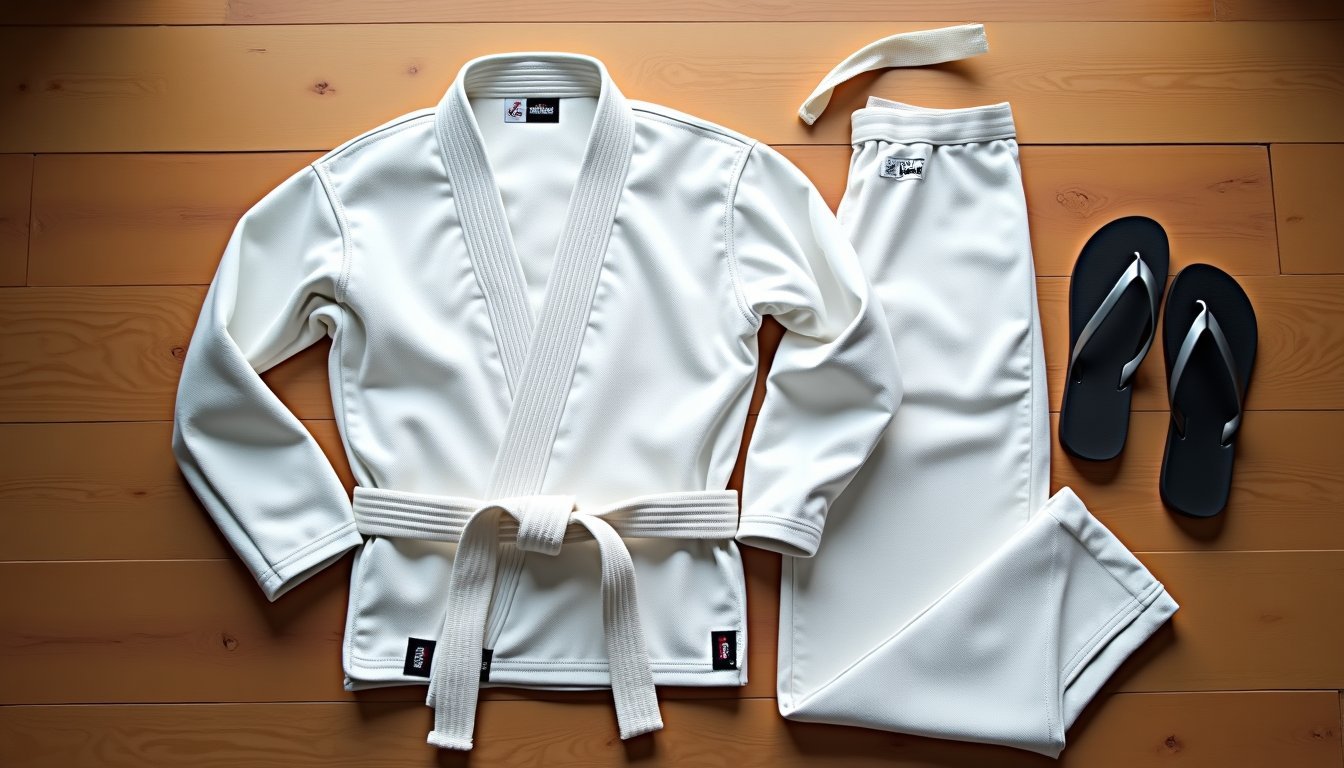
What to wear to BJJ class depends on whether your academy requires a traditional gi (kimono) or allows no-gi training gear. For gi classes, you need a BJJ gi in white, blue, or black, plus a matching belt. For no-gi sessions, wear a fitted rash guard and grappling shorts or spats. Most beginners start with gi training, and you can usually borrow one for your first few classes before investing in your own.
This matters because showing up in the wrong gear marks you as unprepared and, in some cases, can prevent you from training safely. If you're considering training at a Boca Raton academy, understanding these basics helps you feel confident from day one.
What is a BJJ gi and why does it matter?
A BJJ gi is a two-piece uniform made from heavy cotton or a cotton-polyester blend, consisting of a jacket, pants, and a belt. Unlike the lighter karate gi you might remember from childhood, a Brazilian Jiu-Jitsu gi is designed to withstand constant gripping, pulling, and twisting during live training.
The gi serves as your primary training tool. Your training partners will grip your collar, sleeves, and pant legs to control you, execute throws, and apply submissions. A flimsy uniform tears quickly under this stress.
Most academies require a gi in one of three colors: white, blue, or black. White is the safest choice for beginners since every school accepts it. Some traditional instructors prefer white gis for everyone below brown belt, while others allow any approved color from the start.
Why proper training attire matters in Brazilian Jiu-Jitsu
Wearing the right gear protects both you and your training partners. A proper gi prevents mat burn on your skin when you're drilling takedowns or escaping from bottom position. The reinforced collar and sleeves protect your neck and wrists during repetitive gripping drills.
Clean, well-maintained training clothes also show respect for everyone on the mat. BJJ involves extremely close physical contact. If you show up in dirty gear or a ripped gi that exposes skin, you're creating an unpleasant and potentially unsafe environment for your partners.
Beyond safety, your training attire signals that you take the art seriously. An academy culture built on mutual respect starts with basic things like showing up clean and properly dressed.
Who needs to know what to wear to BJJ class?
Anyone considering their first Brazilian Jiu-Jitsu class needs this information. Complete beginners often worry about looking out of place, and knowing what to wear removes one major source of first-day anxiety.
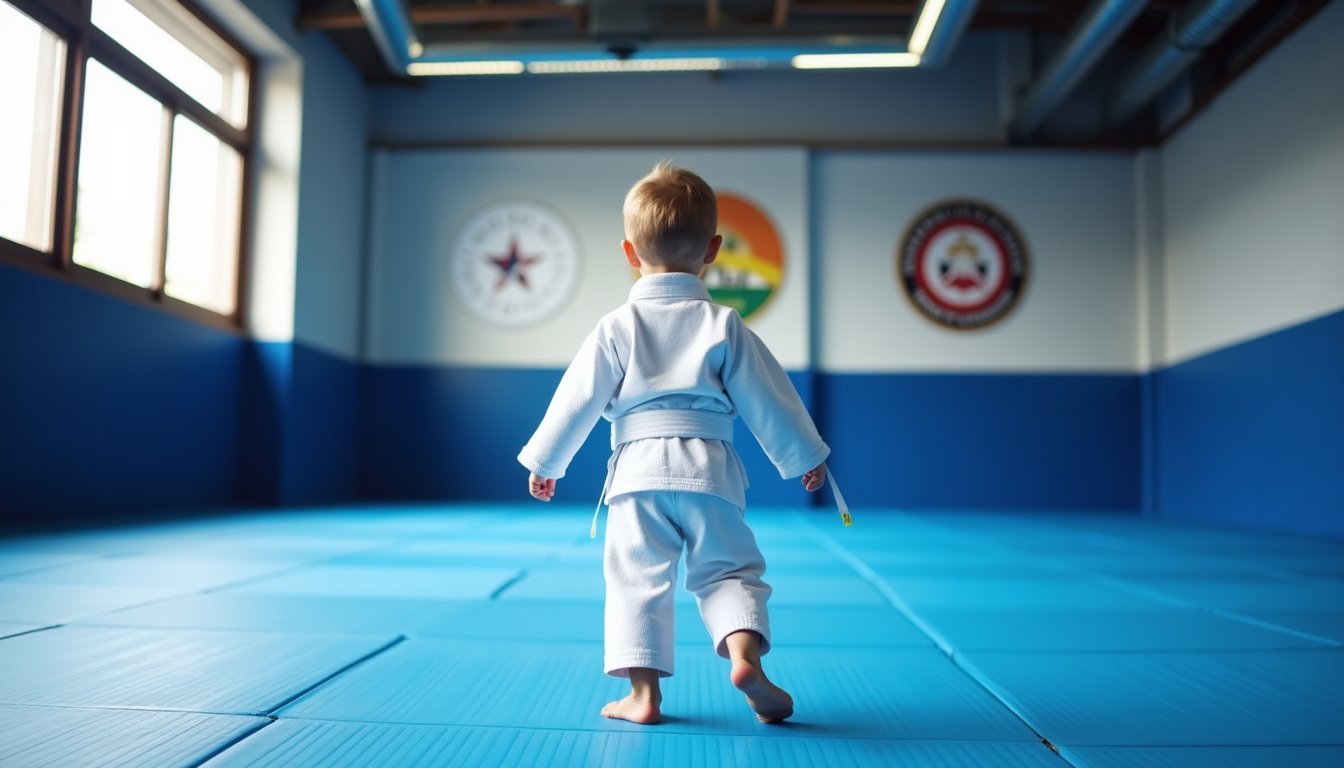
Parents enrolling children in BJJ programs also benefit from understanding gi requirements upfront. Kids' gis are sized differently, and children grow fast enough that you might need to replace a gi within a year.
Experienced martial artists switching from other disciplines sometimes assume their old karate or judo gi will work. While a judo gi usually functions fine for BJJ, it tends to be heavier and bulkier than necessary. A karate gi typically lacks the reinforcement needed for grappling and often rips within weeks.
Where to find proper BJJ training gear
Your academy is the first place to check. Many schools sell or recommend specific gi brands, and some even stock gis in common sizes for immediate purchase. Buying through your academy ensures you get the right fit and an approved color.
Online retailers offer wider selection and often better prices, but sizing varies significantly between brands. An A2 from one manufacturer might fit like an A3 from another. If you order online before your first class, check the return policy carefully.
Sporting goods chains occasionally carry BJJ gis, though selection is usually limited. These budget options work fine for trying out the sport, but they may not last as long as mid-range brands designed specifically for regular training.
Before buying anything, ask your instructor. Some Boca Raton academies keep loaner gis for new students, letting you train for a few weeks before investing $70 to $150 in your own uniform.
When to invest in your own gi and training gear
Most instructors recommend training at least two to four weeks before buying your first gi. This trial period lets you confirm that BJJ fits your schedule and interests before spending money on equipment.
If your academy offers loaner gis, use them. If not, ask whether you can train in a t-shirt and athletic shorts for your first class while you figure out sizing and budget. Many schools allow this for true beginners, though you'll need a gi by your second or third session.
Once you commit to training twice a week or more, you need at least two gis. Training in the same unwashed gi multiple times per week creates hygiene problems and wears out the fabric faster. Having two gis means one is always clean and ready while the other is in the wash.
Buy your second gi after you've trained in your first one for a month. By then you'll know whether you prefer a lighter, more mobile gi or a heavier, more durable one. You'll also have a better sense of which size fits your body best after washing.
How to choose and prepare your BJJ training attire
Essential gi components and fit requirements
A properly fitted gi jacket should reach mid-thigh when you stand upright, with sleeves extending to your wrists but no further than two inches above when your arms hang at your sides. The sleeve length matters for competition rules, even if you never plan to compete.
The pants should reach your ankles, ideally covering the top of your foot when standing but not dragging on the ground. Pants that are too long create a tripping hazard and give opponents extra fabric to grip. Pants that are too short look unprofessional and might violate competition regulations if you ever test yourself at a tournament.
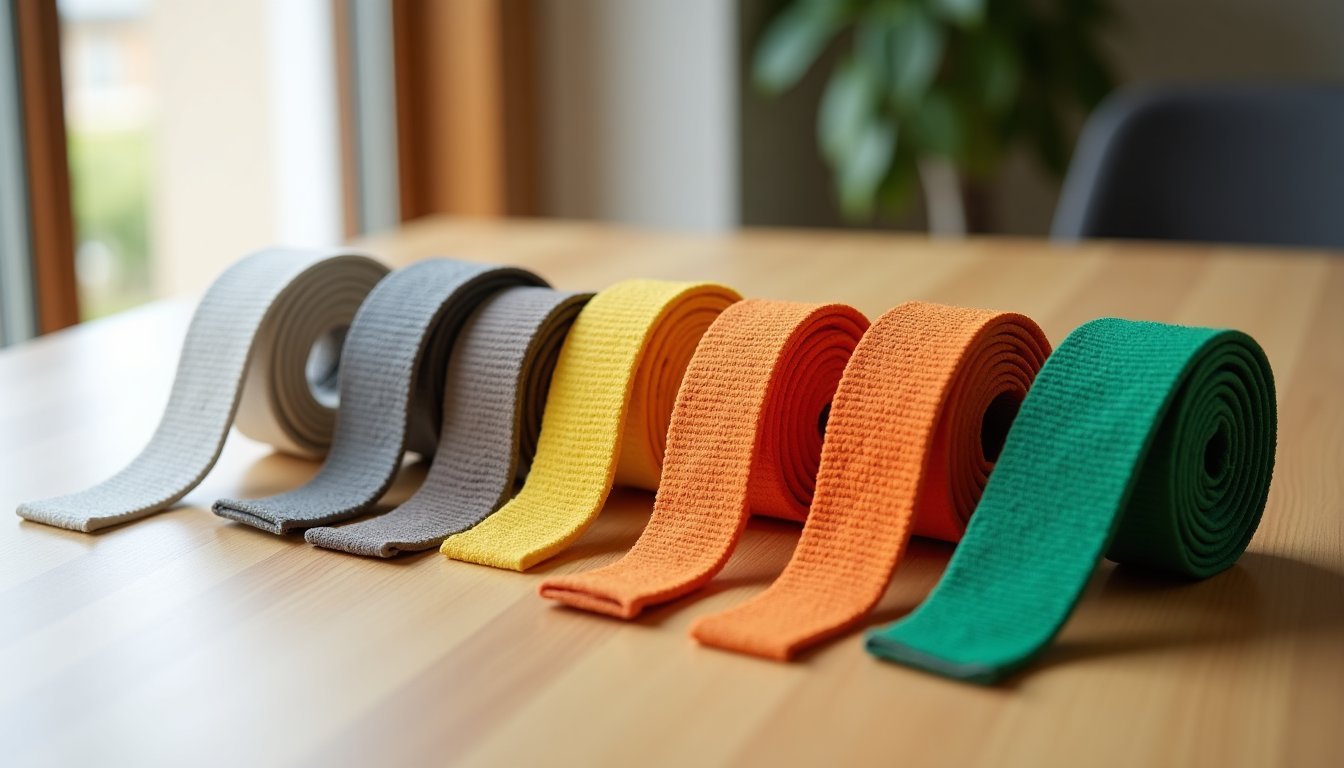
Your belt should be long enough to wrap twice around your waist, tie a flat knot, and leave about 8 to 12 inches of tail on each side. The belt holds your jacket closed during training, and a belt that's too short comes untied constantly.
Under your gi, wear a rash guard or fitted t-shirt for men, and a sports bra plus rash guard or fitted shirt for women. Loose undergarments bunch up uncomfortably during training. Some practitioners wear compression shorts or spats under their gi pants for added coverage and comfort.
No-gi training: alternative attire for grappling classes
Some academies offer no-gi classes alongside traditional gi training. For these sessions, you wear a rash guard (a fitted, stretchy shirt) and either grappling shorts or spats (grappling tights).
Rash guards prevent mat burn and reduce the risk of skin infections by creating a barrier between your skin and the mat. They also wick away sweat and dry quickly. Choose a rash guard without pockets, zippers, or rough seams that could irritate your skin or catch on your partner.
Grappling shorts differ from regular athletic shorts because they have no pockets, a secure Velcro or drawstring closure, and flexible side panels that allow a full range of motion. Board shorts work in a pinch, but proper grappling shorts are cut shorter and fit closer to prevent your partner's fingers from getting caught in loose fabric.
Spats (compression tights) can be worn alone or under shorts, depending on academy culture and personal preference. Many grapplers wear spats to protect their knees and shins from mat burn during scrambles.
Gi care and training attire etiquette
Wash your gi after every single training session, no exceptions. Even if you showered immediately after class, the gi absorbed sweat and contacted the mat. Wearing an unwashed gi to your next class spreads bacteria and creates an unpleasant smell for anyone working with you.
Use cold water and hang dry to prevent excessive shrinkage. Hot water and machine drying can turn an A2 gi into an A1 after a few washes. If your gi does shrink too much, you'll need to replace it since a too-small gi restricts movement and may not meet competition length requirements.
Never apply lotions, oils, or cologne before training. These substances transfer to your training partners and make grips slippery, which can lead to injuries. Deodorant is fine, but skip anything else scented or greasy.
Keep a separate training bag for your gi and gear. Don't leave a wet gi in your bag overnight, as this creates mold and a smell that never fully washes out. If you can't wash your gi immediately after class, at least hang it to air out before putting it in the laundry.
What to wear to BJJ class: comparison of training options
Here's a quick reference to help you choose the right gear for your situation:
How much does proper BJJ training attire cost?
A single gi typically costs between $70 and $250, depending on brand, material, and features. For your first gi, expect to spend around $100 to $130 on a mid-range option that balances quality and budget.
You'll want at least two gis once you commit to regular training, bringing the total initial investment to roughly $200 to $260. Add another $30 to $50 for a pair of flip-flops, a gear bag, and possibly undergarments specifically for training.
No-gi gear is slightly less expensive upfront. A quality rash guard runs $35 to $70, and grappling shorts cost $40 to $80. You can assemble a complete no-gi training outfit for $75 to $150.
These costs are one-time or infrequent. A well-made gi lasts years if you care for it properly. The bigger ongoing expense is your monthly academy tuition, which in Boca Raton typically ranges from $120 to $200 per month depending on the school and membership level.
If budget is a concern, start by asking your academy about loaner gis or whether they allow you to train in basic athletic wear for your first week. Once you're certain BJJ is for you, invest in quality gear that will last.
Now that you know what to wear to BJJ class, the next step is simple: contact your local academy in Boca Raton, ask about their gi requirements and trial class policies, and schedule your first session. Most schools welcome beginners and will walk you through everything you need on day one.
Frequently asked questions
Can I wear my judo or karate gi to Brazilian Jiu-Jitsu class?
A judo gi usually works fine for BJJ since it's designed for grappling, though it will be heavier and bulkier than a BJJ-specific gi. A karate gi typically won't hold up because the fabric is too thin and lightweight for the constant gripping and pulling in Brazilian Jiu-Jitsu. Check with your instructor before assuming your old uniform will work.
What do I wear under my BJJ gi?
Men typically wear a rash guard or fitted t-shirt under the gi jacket, plus compression shorts or regular underwear under the pants. Women wear a sports bra and rash guard or fitted shirt under the jacket, and many also wear spats or compression shorts under the pants for added coverage. Avoid anything loose or bulky that will bunch up during training.
Do I need to buy a gi before my first class?
No, most academies either provide loaner gis for your first few classes or allow you to train in athletic clothes (t-shirt and shorts) during your trial period. Contact the academy ahead of time to ask about their beginner policy. This lets you try BJJ without investing in gear until you're sure you want to continue.
How many gis do I need for training twice a week?
You need at least two gis if you're training twice a week or more, since you must wash your gi after every class and it needs time to air dry. Training in the same unwashed gi multiple times creates hygiene issues and breaks down the fabric faster. Having two gis means you always have a clean one ready.